

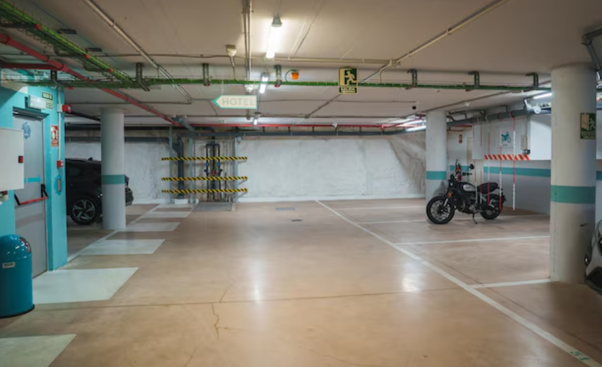
Most folks totally ignore their garage floor until a giant crack splits open or ugly oil drips stain the concrete forever. Raw floors get messy fast after years of heavy cars parking on them daily. Down in Atlanta, the sticky summer heat and heavy humidity destroy bare stone slabs much quicker than you would think. Upgrading garage floors has become a common project lately, mostly because people realize this space could actually function better than just storage for stuff nobody wants inside the house.
Why Bare Concrete Doesn’t Last
Plain concrete looks fine on install day, sure, but daily wear catches up fast. Tire marks, oil drips, and tools dragged across the surface repeatedly, all of it chips away at an unprotected slab within a couple years typically. Atlanta’s humid summers make things worse too, moisture works into the concrete pores and weakens things from within, showing up eventually as cracks or that dusty surface breakdown people call concrete spalling once it gets bad enough.
Choosing the Right Coating System
Not every garage flooring option handles heavy use the same way, and picking wrong wastes money fast. Epoxy resists oil and chemical stains well, polyaspartic coatings cure faster and hold up against UV fading better for garages getting direct sunlight through open doors regularly. Homeowners comparing options should think about actual use first, a garage doubling as a workshop needs something different than one just parking cars and storing holiday decorations most of the year.
Turning A Garage into Usable Space
Plenty of homeowners are rethinking what a garage actually needs to be lately. Home gyms, workshops, and even game rooms are showing up in converted garage spaces more often now. A finished floor changes the whole feel, honestly, less like a concrete box for storage and more like an actual room worth spending time in. Adding proper flooring becomes step one for most of these conversions since nobody wants to work out or tinker with projects on cold cracked concrete all day.
Protecting Against Everyday Damage
Dropped tools, car battery acid leaks, and hot tire marks after a long summer drive, garages see abuse most rooms never deal with. A properly coated floor resists this stuff considerably better than bare concrete, which stains and pits under repeated exposure to chemicals and impact. Some coatings even include UV protection specifically, which is useful for garages where sunlight streams in through open doors for hours during Atlanta’s long summer days without much shade breaking things up.
Timing Installation Around Weather
Coating a garage floor during Atlanta’s most humid months causes issues installers run into regularly, trapped moisture underneath leads to bubbling within weeks sometimes. Crews experienced with local weather plan installs around drier stretches when scheduling allows it or runs proper moisture testing beforehand no matter the season. Rushing an install to meet a tight deadline during peak humidity usually costs more later fixing problems than waiting a few extra weeks would’ve cost anyone upfront.
Weighing Long-Term Value
Resealing or patching bare concrete every couple year adds up more than people expect once they actually total the cost out over time. A properly installed coating lasts a decade or longer with minimal upkeep, standing up against humidity cycles and daily wear that break down untreated concrete much faster. Homeowners focused only on upfront installation price often miss this bigger picture, ignoring what several more years of exposure would eventually do to bare unprotected concrete.
Conclusion
A garage floor handles more daily abuse than most homeowners realize, and bare concrete just isn’t built to survive that long term without cracking or staining eventually. Choosing the right coating system for actual use, whether it’s daily parking or a full workshop conversion, makes a real difference in how long that floor holds up. Anyone considering an upgrade can check out atlantaflooring.io for guidance suited to their specific project.