

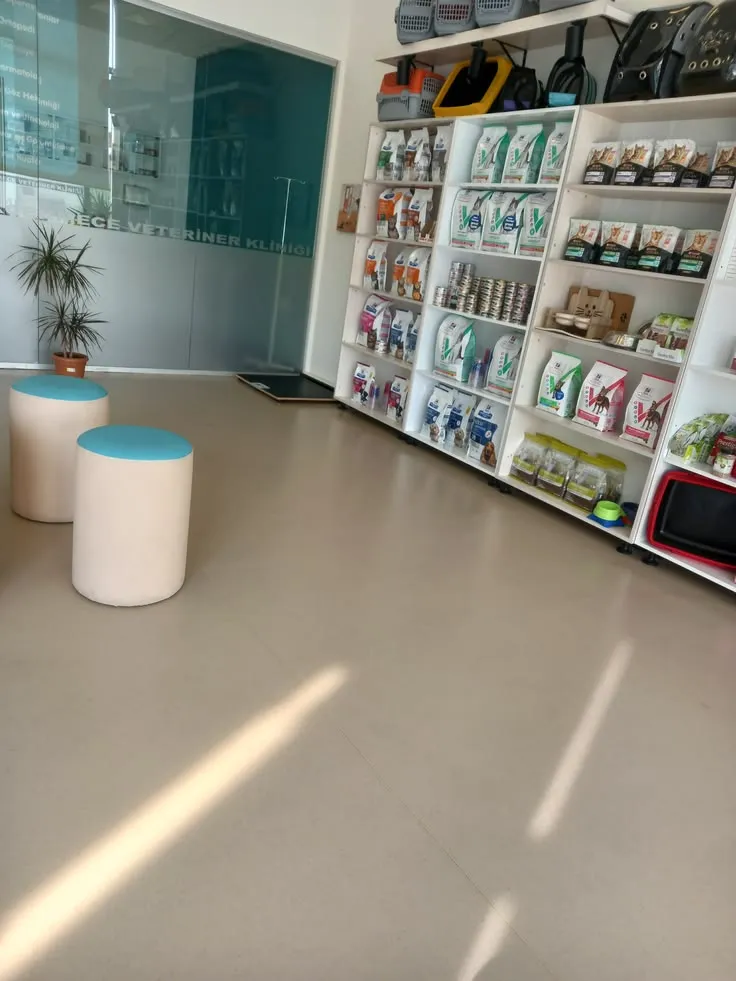
A veterinary clinic is a demanding environment for almost every interior surface. Pets arrive with muddy paws, treatment rooms need regular cleaning, and staff move equipment between examination areas throughout the day. Flooring must accommodate those activities while helping the facility maintain appropriate sanitation procedures. When evaluating commercial epoxy flooring, clinic owners should look beyond appearance and examine chemical compatibility, traction, moisture exposure, and maintenance requirements. A carefully planned renovation can improve the practicality of individual rooms without assuming that one flooring system suits every veterinary department.
Understand Each Room’s Requirements
A reception area experiences different conditions from an examination room or animal treatment space. Waiting rooms receive outdoor dirt and frequent foot traffic, while clinical areas may encounter disinfectants, bodily fluids, and movable medical equipment.
Walk through the facility with employees before selecting materials. Ask which rooms require frequent cleaning, where spills occur, and whether wheeled equipment creates visible wear. These observations help identify suitable flooring characteristics for each area.
Evaluate Sanitation and Cleanability
Veterinary facilities depend on established cleaning and infection-control procedures. Damaged joints, loose flooring, and deteriorating surfaces can make those procedures more difficult to perform consistently.
Certain resin systems provide relatively continuous surfaces that may simplify cleaning. However, a seamless appearance does not establish that flooring is sterile or suitable for every disinfectant. Clinic managers should verify chemical compatibility and follow relevant veterinary sanitation guidelines.
Check Concrete Before Installing Coatings
Existing concrete may contain cracks, moisture problems, adhesive residue, or damage from earlier floor installations. These conditions should be evaluated before a new coating system is specified.
Professional concrete repair may involve crack treatment, joint correction, grinding, or moisture mitigation, depending on the slab. Structural movement requires separate assessment. Applying a decorative layer without addressing the underlying defect can lead to recurring problems.
Choose Suitable Traction for Animals
Animals move differently from people, particularly when they are frightened, injured, or recovering from a procedure. Extremely smooth surfaces may make movement uncomfortable for certain pets.
Appropriate texture deserves attention, but rough finishes can create cleaning challenges. Clinic owners should discuss this balance with their flooring contractor and veterinary staff. Removable nonslip mats may be useful in selected areas when maintained hygienically.
Review Practical Flooring Specifications
Before approving a proposal, clinic managers should establish the operating conditions each floor must support. Important considerations include:
-
Disinfectants and cleaning chemicals used regularly.
-
Exposure to moisture and animal accidents.
-
Movement of examination tables and medical equipment.
-
Surface traction appropriate for animals and employees.
-
Access restrictions during installation and curing.
These details make contractor quotations easier to compare and help identify whether different departments need separate finishing systems.
Coordinate Work With Patient Care
Renovating an operating clinic requires careful scheduling. Grinding, coating application, and associated noise or odors may interfere with patient comfort and normal appointments.
Plan work around room availability and clinical priorities. Contractors should explain dust controls, ventilation, temporary access restrictions, and curing requirements. Animals and staff should not return to treated areas until the installation conditions allow safe use.
Consider Long-Term Maintenance Costs
Flooring decisions should account for cleaning labor, repairs, and potential disruption rather than the initial installation price alone. A low-cost finish may provide little value if it deteriorates under ordinary clinical cleaning.
Ask for written maintenance instructions and keep records of the installed products. Employees should know how to report damaged sections and which cleaning methods are permitted. This supports more consistent upkeep when staffing changes.
Plan for Future Clinic Growth
Veterinary practices may eventually add examination rooms, grooming facilities, or specialized treatment equipment. Those additions can change traffic patterns and expose floors to different substances.
Choose materials with foreseeable activities in mind while recognizing that no coating supports every possible future use. Keeping product information and repair records makes later expansion easier to assess.
Conclusion
Veterinary flooring should be selected according to clinical activities, sanitation requirements, traction, and the condition of the underlying concrete. Appropriate preparation and clear installation planning are essential when a facility must continue caring for animals. Clinic owners should compare technical specifications and maintenance expectations rather than appearance alone. For veterinary businesses exploring concrete flooring improvements across Los Angeles, risecoatings.com provides information about commercial coatings and surface preparation services. Thoughtful decisions can support a cleaner, more manageable working environment while accommodating the practical needs of employees, patients, and visitors.